IDIOMA
 English
 Español
 عربى
عربى
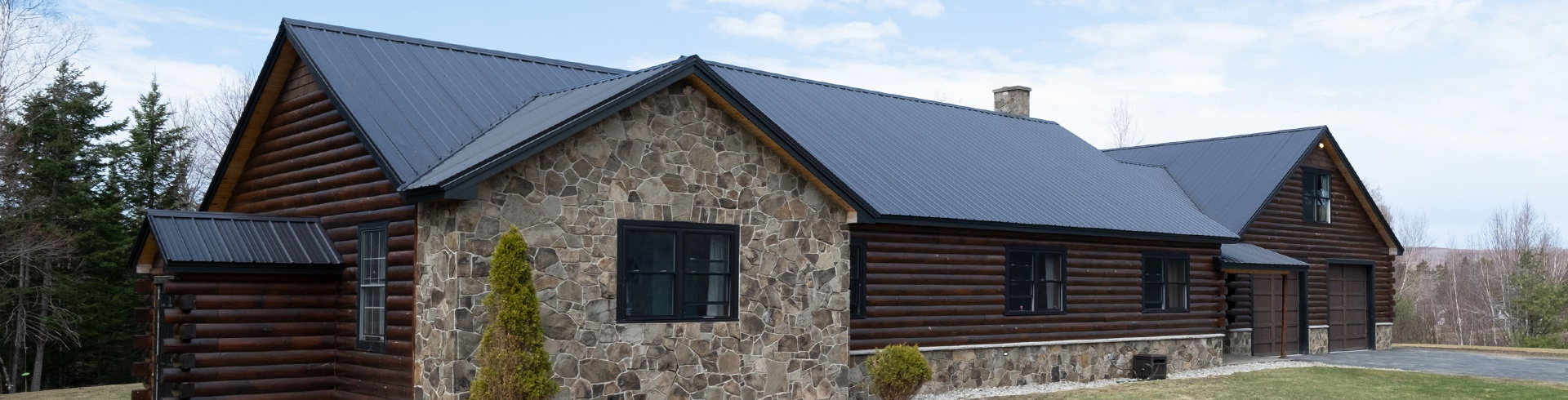
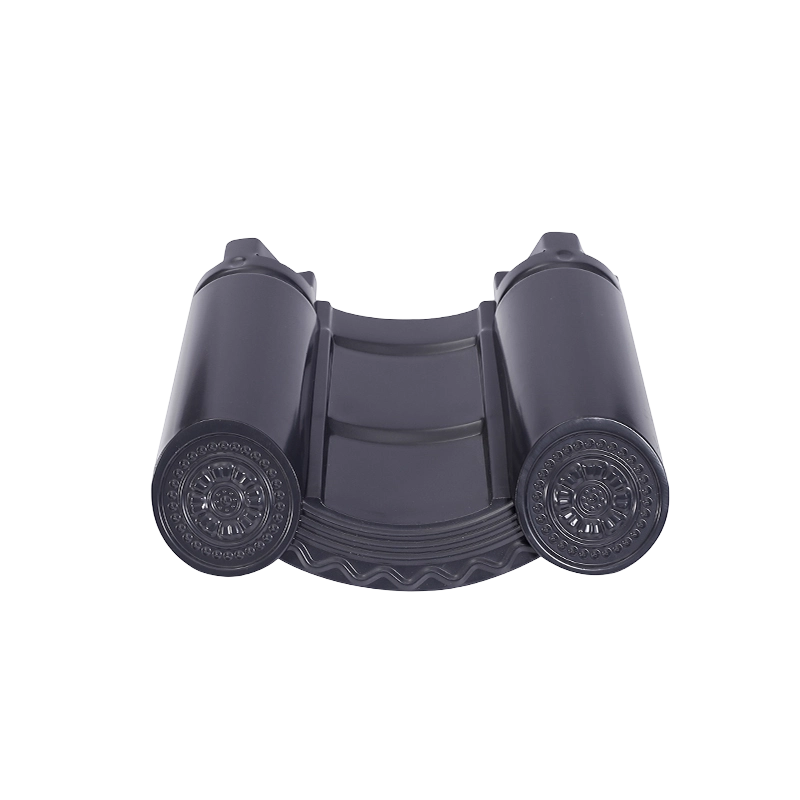
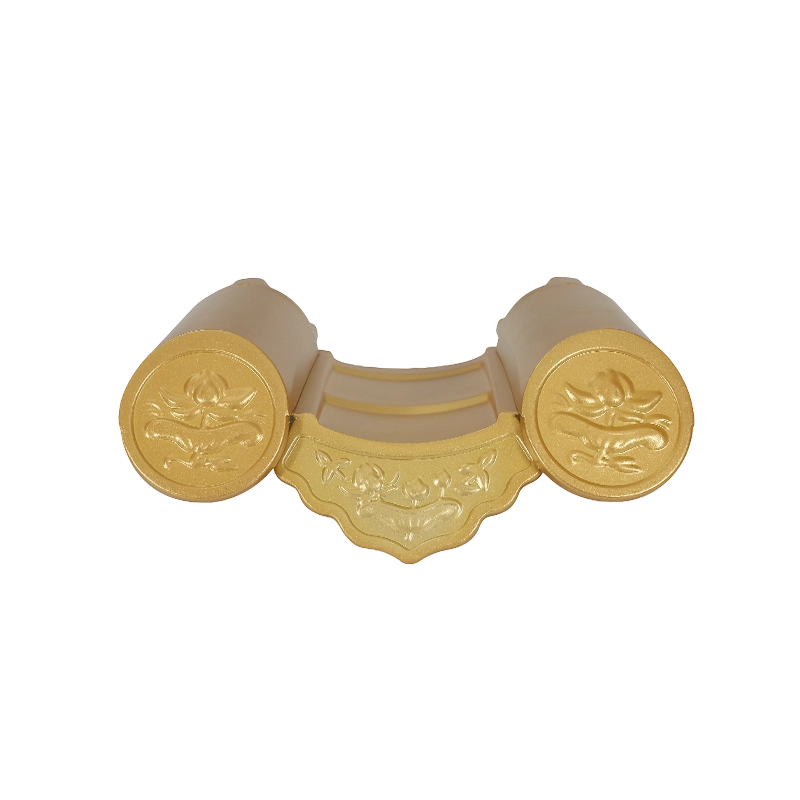

How Can Temple Metal Roofing Tiles Bring Distinctive Architectural Character to Modern Roofing Projects?
Temple Metal Roofing Tiles are designed to combine the visual language of traditional tiled architecture with the practical characteristics of modern metal roofing. For commercial developers, architects, engineering companies, contractors, and material purchasers, this type of roofing material can be particularly attractive when a project needs a recognizable architectural identity without relying entirely on conventional heavy roofing materials.
The appearance of a temple-style roof is often associated with layered profiles, orderly tile arrangements, pronounced roof edges, and a strong sense of traditional architectural form. Modern metal manufacturing allows these visual elements to be interpreted with lighter and more controllable materials. Depending on the product design, Temple Metal Roofing Tiles can be applied to cultural buildings, traditional-style commercial projects, hotels, public facilities, landscape structures, residential developments, and renovation projects.
One important advantage is design flexibility. Metal tiles can be produced with different dimensions, colors, surface treatments, and profiles, allowing the roof to be coordinated with the overall architectural concept. For projects that combine traditional and contemporary design, the roofing surface can also become an important visual transition between different architectural elements.
From a project procurement perspective, buyers should not evaluate Temple Metal Roofing Tiles only by their decorative appearance. The roof structure, material specification, drainage arrangement, fixing method, wind exposure, surface finish, and accessory configuration all need to be considered together. A complete roofing solution should provide both visual consistency and practical installation requirements.
What Architectural Projects Can Benefit from Temple-Style Metal Roofing?
Temple Metal Roofing Tiles can be considered for projects where traditional architectural expression is important. These may include cultural centers, temples, museums, tourism facilities, classical-style hotels, garden buildings, commercial streets, residential developments, and landscape architecture.
They can also be used in modern projects that incorporate traditional elements. For example, a contemporary building may use a temple-inspired roof as a focal architectural feature while maintaining modern curtain walls and interior spaces.
How Can Metal Tiles Recreate a Traditional Roof Appearance?
Traditional roof aesthetics are usually created through the combination of repeated tile modules, roof pitch, ridge details, eaves, decorative edges, and carefully coordinated colors. Modern metal roofing products can reproduce these visual relationships while allowing manufacturers to control dimensions and surface finishes more precisely.
The final appearance depends on the complete system rather than a single tile. Ridge components, edge details, flashing, decorative elements, and connection methods should therefore be considered during the design stage.
| Architectural consideration | Possible solution | Project benefit |
|---|---|---|
| Roof profile | Traditional or customized profile | Establishes architectural character |
| Tile dimensions | Standard or project-specific | Supports layout flexibility |
| Color | Traditional, metallic, or customized | Coordinates with the building |
| Surface finish | Smooth, textured, matte, etc. | Enhances visual depth |
| Ridge treatment | Matching metal components | Creates a complete roof silhouette |
| Eave details | Coordinated edge components | Strengthens traditional appearance |
| Wall coordination | Metal cladding, curtain wall, masonry | Creates a unified façade |
Why Is the Roof Silhouette Important?
For traditional architectural projects, the roof silhouette can be one of the most recognizable elements of the building. The shape of the ridge, eaves, slopes, and decorative edges can influence how the building is perceived from a distance.
Therefore, project teams should evaluate the roofing system using architectural elevations and detailed drawings instead of relying only on small material samples.
What Technical Factors Should Be Evaluated Before Specifying Temple Metal Roofing Tiles?
Although Temple Metal Roofing Tiles have strong decorative value, professional procurement requires a detailed review of technical specifications. The same visual design can be manufactured using different materials and configurations, and these differences can influence transportation, installation, structural requirements, environmental resistance, and maintenance.
The first issue is the substrate. Depending on the manufacturer and application, temple-style roofing products may use aluminum, steel, aluminum alloys, or other suitable architectural metals. Material selection should take into account weight, corrosion exposure, forming characteristics, surface treatment, and project budget.
The second issue is the roof structure. Traditional-looking metal tiles still need to be installed on an appropriately designed supporting system. Roof pitch, purlins or other supporting components, fixing points, drainage paths, and roof penetrations should be reviewed before final product selection.
The third issue is the surface treatment. Because the roof is exposed to outdoor conditions, the coating or finish should be selected according to the project’s climate and appearance requirements. For large projects, color and surface consistency are also important because differences between production batches can become highly visible after installation.
Which Material Specifications Should Buyers Request?
A professional quotation should identify the exact material, thickness, profile dimensions, surface treatment, color, panel or tile dimensions, effective coverage, fixing method, and accessory requirements.
Buyers should avoid comparing suppliers based only on the general product name. Two products described as Temple Metal Roofing Tiles may have different material grades, thicknesses, dimensions, or surface finishes.
| Technical item | Information to confirm | Why it matters |
|---|---|---|
| Base metal | Aluminum, steel, alloy, etc. | Determines material characteristics |
| Thickness | Nominal thickness and tolerance | Supports technical comparison |
| Tile profile | Shape and dimensional details | Determines appearance and fit |
| Coverage | Effective installed area | Helps calculate quantities |
| Surface finish | Coating or treatment | Supports outdoor performance |
| Color | Standard or customized | Maintains design consistency |
| Fixing system | Fasteners, clips, brackets, etc. | Determines installation requirements |
| Accessories | Ridge, eave, flashing, edge components | Completes the roofing system |
| Packaging | Protection during transport | Reduces handling damage |
How Does Roof Design Affect Temple Metal Tile Selection?
Traditional-style roofs can contain multiple slopes, complex ridges, decorative eaves, valleys, and transitions. These areas should be considered before production because they may require customized components.
Detailed roof drawings allow the supplier to understand the actual geometry and determine whether standard components are sufficient or whether special pieces should be produced.
This approach can also help reduce unnecessary material waste. Instead of making extensive modifications at the construction site, the manufacturer can prepare suitable components based on approved project information.
Why Should Buyers Pay Attention to Drainage and Weather Exposure?
The decorative appearance of a traditional roof should not compromise its ability to manage rainwater. Roof pitch, overlaps, valleys, flashing, gutters, and drainage routes should be coordinated carefully.
Environmental exposure also matters. Projects in coastal or humid areas may have different material and coating requirements from projects in dry inland environments. Strong sunlight, temperature variation, wind, and rainfall should all be considered during specification.
What Role Do Accessories Play in a Temple Roofing System?
Accessories are particularly important for temple-style roofs because the visual effect often depends on the details at the ridge, eaves, corners, and transitions. Using compatible components can produce a more consistent appearance and reduce the need for improvised modifications during installation.
How Can a Professional Temple Metal Roofing Tiles Manufacturer Support Complex Architectural Projects?
For projects involving traditional or customized architectural roofs, manufacturing capability alone may not be enough. The supplier may need to participate in drawing refinement, material selection, technical consultation, production, logistics, installation, and after-sales service.
Suzhou Donghong Metal Materials Technology Co., Ltd. is engaged in the research, development, manufacturing, processing, sales, and installation of metal roofing and wall materials. Located in Taicang, Suzhou, adjacent to Shanghai and connected with major construction and manufacturing areas in the Yangtze River Delta, the company has convenient transportation and logistics conditions.
The company’s product portfolio includes standing seam aluminum-magnesium-manganese roofing systems, metal curtain wall systems, flat interlocking roofing and cladding systems, antique-style metal glazed tile systems, external wall insulation systems, and metal concealed-lock barrel tile roofing systems. This experience across different architectural metal systems provides a foundation for handling projects where roofing needs to coordinate with walls, façades, and insulation.
For Temple Metal Roofing Tiles projects, technical coordination is particularly valuable. Traditional architectural roofs often contain complicated details that require careful drawing refinement. A manufacturer with experienced technical personnel can review these details before production and help translate architectural requirements into manufacturable components.
Why Is Drawing Refinement Important for Customized Roofing?
A roof drawing provides the basis for calculating dimensions, quantities, special components, and installation relationships. Professional drawing refinement can identify potential conflicts before materials are produced.
For large or complex buildings, this can reduce the risk of incorrect dimensions and unnecessary site modifications. It also creates a clearer communication process among architects, developers, engineering companies, contractors, and manufacturers.
What Comprehensive Services Can Improve Project Coordination?
A project-oriented supplier can potentially support several stages of the process:
- Architectural and technical consultation
- Drawing refinement and detail development
- Material and product selection
- Customized manufacturing
- Material supply and logistics coordination
- Construction and installation
- On-site project management
- After-sales maintenance and technical support
Suzhou Donghong Metal Materials Technology Co., Ltd. has highly qualified technical personnel with years of experience in profiled steel sheets and standing seam metal roofing and wall systems. The company also has mature experience in on-site construction project management and professional drawing refinement capabilities.
In addition, the company has established cooperative relationships with internationally and domestically renowned high-quality material suppliers. This allows it to provide comprehensive services to building developers, architects, engineering companies, and material distributors.
| Project stage | Manufacturer involvement | Expected advantage |
|---|---|---|
| Design | Technical consultation | Improves feasibility |
| Detail development | Drawing refinement | Reduces design conflicts |
| Material selection | Product recommendations | Matches project requirements |
| Production | Customized manufacturing | Supports architectural details |
| Supply | Material coordination | Simplifies procurement |
| Installation | Construction management | Supports site execution |
| Inspection | Quality and installation review | Helps identify issues |
| Maintenance | After-sales service | Supports long-term operation |
How Can On-Site Experience Benefit Buyers?
Roofing details that look straightforward on paper can become more complicated during actual installation. Eaves, valleys, ridge transitions, openings, and connections with wall systems may require adjustments based on site conditions.
A manufacturer with construction experience can better understand these practical challenges and communicate them during the design and production stages. This can help reduce the gap between the architectural concept and the finished roof.
Why Is an Integrated Supplier Valuable for Traditional-Style Projects?
Traditional architectural projects often involve multiple exterior materials. When the same supplier can coordinate roofing, cladding, curtain wall, and insulation-related requirements, communication can become more efficient.
For project buyers, this can reduce the number of technical interfaces that need to be managed separately and provide a more coordinated approach to the building envelope.
FAQ: What Should Buyers Know About Temple Metal Roofing Tiles?
What Are Temple Metal Roofing Tiles?
Temple Metal Roofing Tiles are metal roofing products designed to provide a traditional or temple-inspired architectural appearance while using modern metal manufacturing and installation techniques. They can be customized according to project design and technical requirements.
Where Can Temple Metal Roofing Tiles Be Used?
They can be considered for temples, cultural buildings, museums, tourism facilities, hotels, commercial developments, landscape buildings, residential projects, and other structures that require traditional architectural styling.
Can Temple Metal Roofing Tiles Be Customized?
Depending on the manufacturing process, customization may include material, thickness, profile, dimensions, color, surface finish, ridge components, eave details, and other accessories.
What Should Be Included in a Project Inquiry?
Buyers should provide architectural drawings, roof area, roof pitch, project location, preferred material, dimensions, color, surface finish, estimated quantity, accessory requirements, and expected delivery schedule whenever possible.
Why Are Detailed Drawings Important?
Detailed drawings help the manufacturer understand roof geometry, special areas, dimensions, and connection requirements. They are particularly important for traditional-style roofs with complicated ridges, eaves, valleys, and decorative details.
Can Temple Metal Roofing Tiles Be Used with Modern Building Materials?
Yes. Traditional-style metal roofing can be combined with curtain walls, metal cladding, glass, stone, concrete, insulation systems, and other modern building materials to create a hybrid architectural style.
What Does Suzhou Donghong Metal Materials Technology Co., Ltd. Provide?
Suzhou Donghong Metal Materials Technology Co., Ltd. provides services covering design refinement and consultation, metal roofing and wall material supply, construction and installation, and after-sales maintenance. Its technical team has experience with profiled steel sheets and standing seam metal roofing and wall systems, while its broader product portfolio includes several architectural metal roofing, cladding, curtain wall, and insulation systems.

 DESCARGAR